Skip to main content Skip to content
Bookmakers

Verify the punter before the bet.

One identity check for an Australian bookmaker, and it works at the online account open and at the on-course stand. The punter proves who they are with ShareRing LINK once, you keep the record in storage you own, and the reports draft themselves when they fall due.

One check. The website and the stand.

ShareRing Me

Over 18 at the stand. A document, a liveness check and a sanctions screen when the account opens.

About 60 seconds for a first-time punter. About 2 seconds for a returning one.

Two counters, one punter

The account open and the stand are the same check.

Online account open

Document, liveness, and a PEP and sanctions screen, run as one flow when the punter opens the account. The result lands in your dashboard in about a minute, so the account is live while the punter is still on the page rather than the next morning.

On-course event check

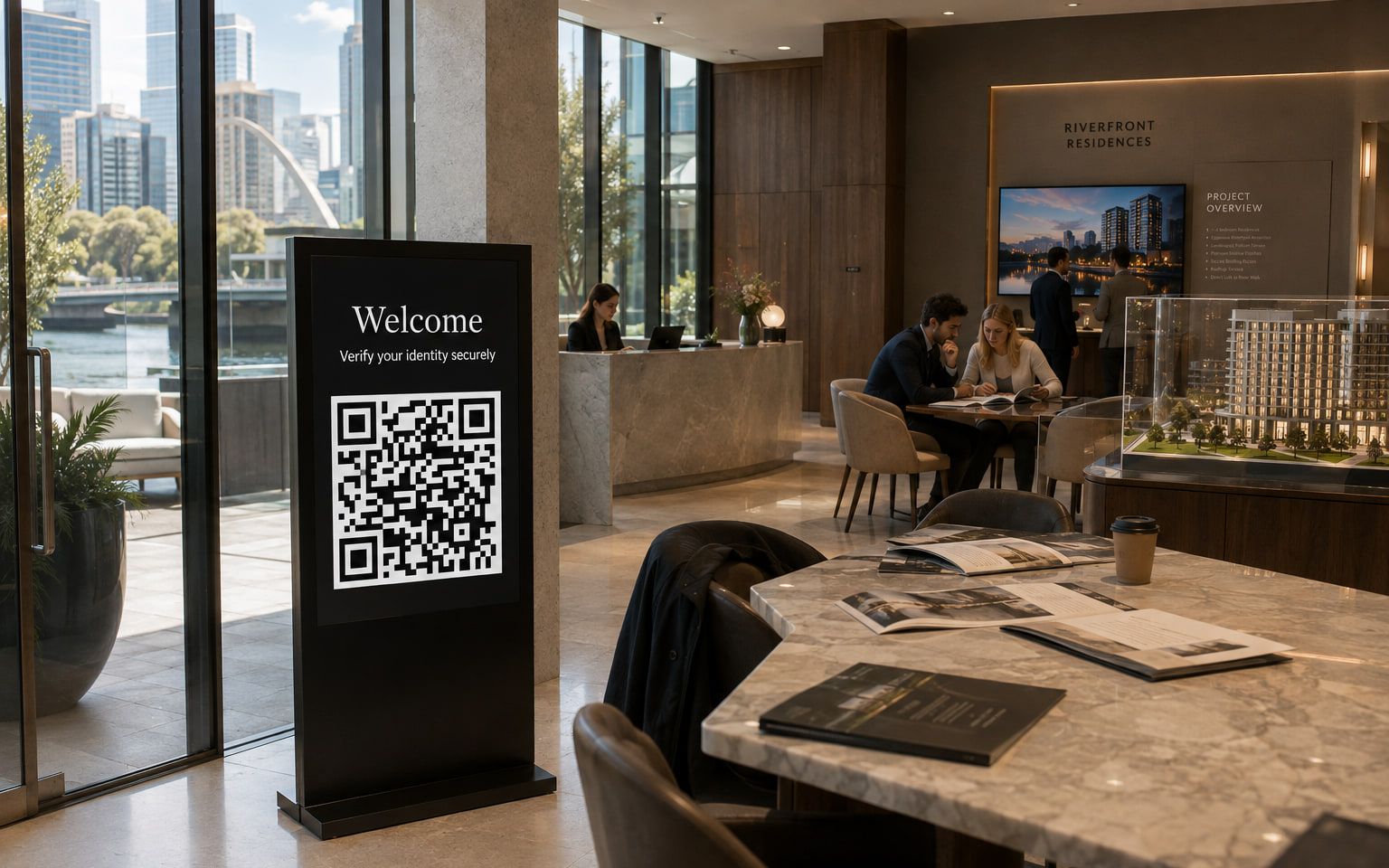
A QR code at the stand. The punter verifies once and shares it for the day, and a punter who has been through it before is recognised in seconds. The queue is the constraint at a racecourse, and a check that takes a minute the first time and seconds after it is the only kind that survives one.

How it works, in three steps.

The same shape as the accountant flow, because the obligation has the same shape: know who you are dealing with, prove that you checked, and be able to show it later.

What you do, and what we do
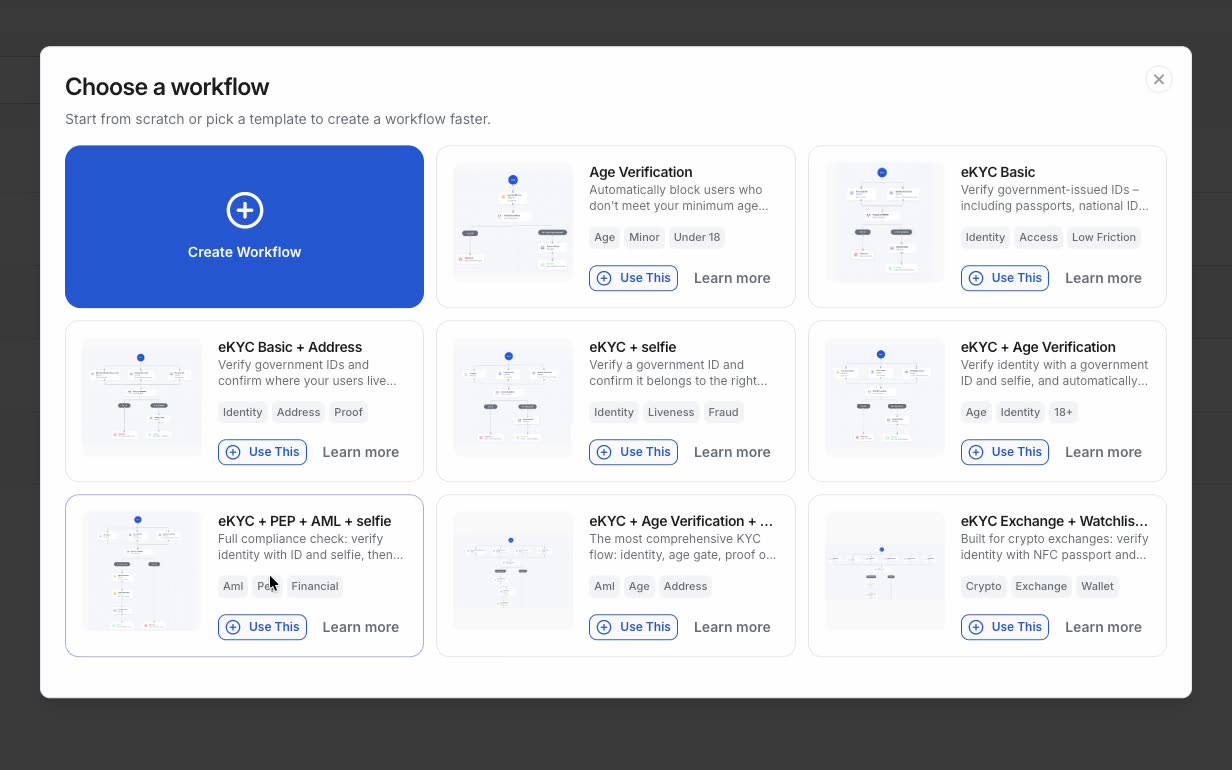
  • Pick your product and an address: the signup asks which ShareRing Solutions product you are setting up and the web address your staff will sign in at. The portal is yours from then on.
  • The punter verifies: through ShareRing LINK, at the account open or at the stand, on their own phone.
  • Keep the records and lodge with AUSTRAC: the record stays in storage you own, and the reports draft themselves against it when they fall due.

What it costs.

The rate card for online account opens and on-course events is being finalised. Talk to us for today’s pricing.

Where the check sits

  • Built to the AUSTRAC AML/CTF requirements: the flows are built to the obligations a bookmaker already carries as a reporting entity. ShareRing is not AUSTRAC registered, enrolled or accredited.
  • The records are yours: they sit in storage you own rather than in a database we hold, which is also why there is nothing here for anyone to breach.
  • DVS is optional: the document and biometric checks run either way, and DVS is available as an option you switch on.
Build it yourself

One chain, two counters.

The same workflow runs at the website and at the stand. What changes is how the punter reaches it: a link in the signup flow, or a QR code on the rail.

  1. age_verification Over 18, answered as a yes or a no.
  2. identity_document Passport or licence.
  3. liveness_check The person holding the document is the person on it.
  4. if_else Document and liveness valid before the screen runs.
  5. personal_info Name, date of birth, address.
  6. watchlist Sanctions, PEP and adverse media.
  7. delivery_http Into your own system, one payload per punter.
  8. end_ok A verified punter, and no document left on your servers.

A punter verified at the account open is already verified when they walk up to the stand, and the other way round. The second check is a recognition, not a repeat.

Frequently asked

The questions we get asked.

Did something change for bookmakers on 1 July 2026?
Not your status. Accepting a bet, paying out winnings, exchanging money for betting instruments and opening a betting account have been designated services since the AML/CTF Act commenced, so a bookmaker has always been a reporting entity. What changed for you was 31 March 2026: a written AML/CTF program built on an ML/TF risk assessment, a compliance officer notified to AUSTRAC, and the new customer due diligence rules. 1 July 2026 brought other sectors in, not you.
When do we have to verify an online customer?
Before the first bet. The old 72 hour window closed on 29 September 2023, and identity is verified when the account is opened and before the customer can bet. Under the reformed rules money cannot leave the account before initial due diligence is finished either.
Do we have to identify someone betting on-course?
Not to take the bet. An on-course bookmaker is exempt from initial customer due diligence on accepting or placing one. The exemption stops at A$5,000: paying winnings, or exchanging cash for chips or betting instruments, at or above that figure needs full initial due diligence. That threshold was A$10,000 until 31 March 2026. Any customer who triggers enhanced due diligence falls outside the exemption entirely.
What do we report, and who lodges it?
Physical cash of A$10,000 or more within 10 business days, suspicious matters within 3 business days and within 24 hours where terrorism financing is suspected, and an annual compliance report. Records are kept for 7 years. You lodge, in your own AUSTRAC Online account. ShareRing drafts and exports the report; the lodgement stays with you.
What does getting it wrong cost?
The Federal Court can order up to 100,000 penalty units against a company and 20,000 against an individual for each contravention, which is about A$36.4 million and A$7.28 million at the penalty unit value from 1 July 2026. AUSTRAC has been active in this industry, with enforceable undertakings and civil penalty proceedings against major betting operators.

Verify the punter before the bet.

Set up the portal, choose your address, and take your first verified account today. ShareRing makes the whole process simple, fast, and built to the AUSTRAC AML/CTF requirements.
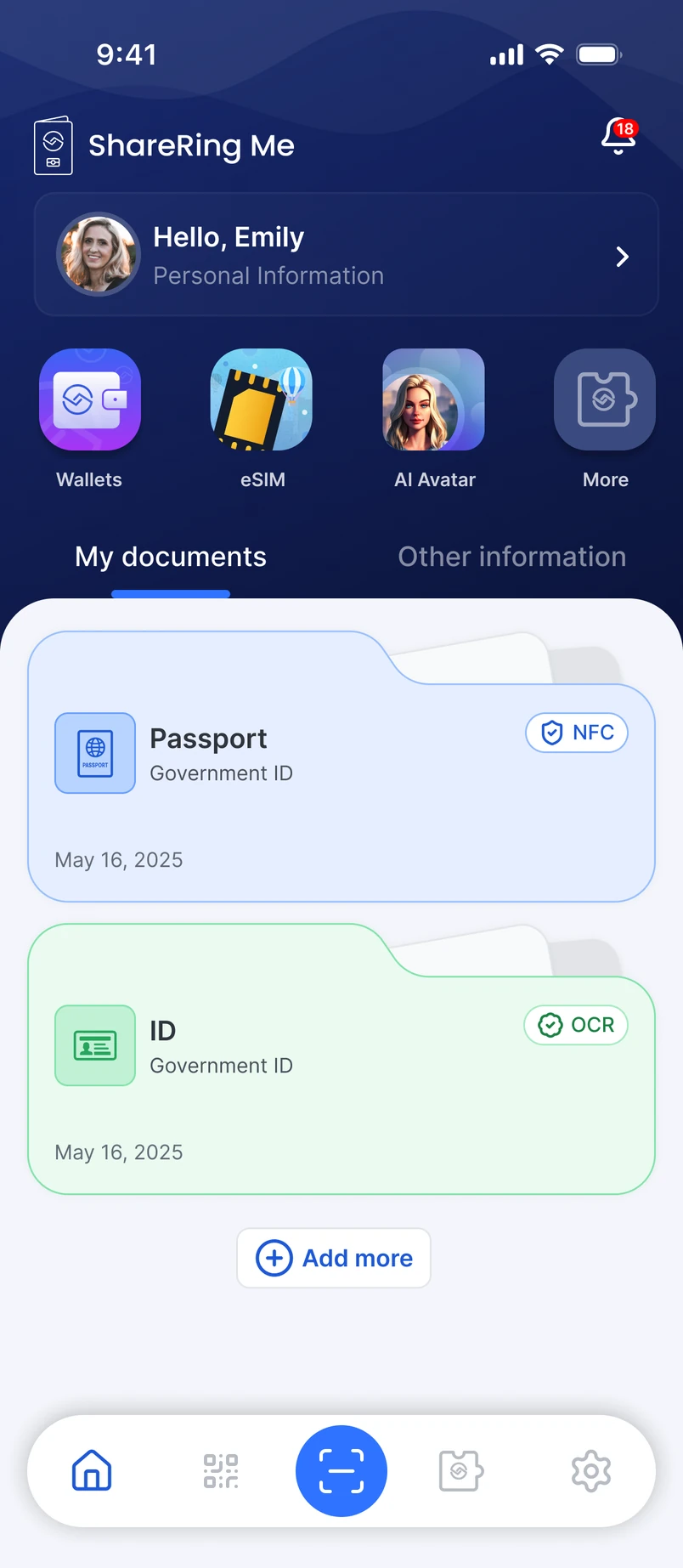
The ShareRing Me vault on a punter’s phone, holding the verified credential the bookmaker checked against.
Simplifying IT
for a complex world.
Platform partnerships
Services
Business Challenges

Digital Transformation

Security

Automation

Gaining Efficiency