
Simplifying IT
for a complex world.
Platform partnerships
- AWS
- Google Cloud
- Microsoft
- Salesforce
Ask for ID and you risk losing the signup.
Accept a tick box and you have proved nothing.
There is a better way.
The user proves they are over 18 on their own phone. You get a yes. No name. No document. Nothing stored, so nothing to steal. Need a real name to pay a creator? That too.
Verified. Not identified.
The box asking a user to confirm they are over 18 is the control that regulators and card brands are now naming directly. Visa and Mastercard adult merchant rules expect a documented check, and a tick box is not one.
Creator and talent onboarding turns on binding a real identity to a paid account and to the name on the payout. A selfie at signup does not establish that, and impersonation is the loss that follows it.
For an age check your platform receives a yes or a no, not a name and not a document. On discreet and LGBTQ+ products that is not a nicety: the request for ID is itself the reason people abandon signup.
Verification that leaves raw identity documents on your servers has moved the problem rather than solved it. ShareRing exchanges hashes and decentralised identifiers, so there is no central honeypot to lose, today or in a breach five years from now.
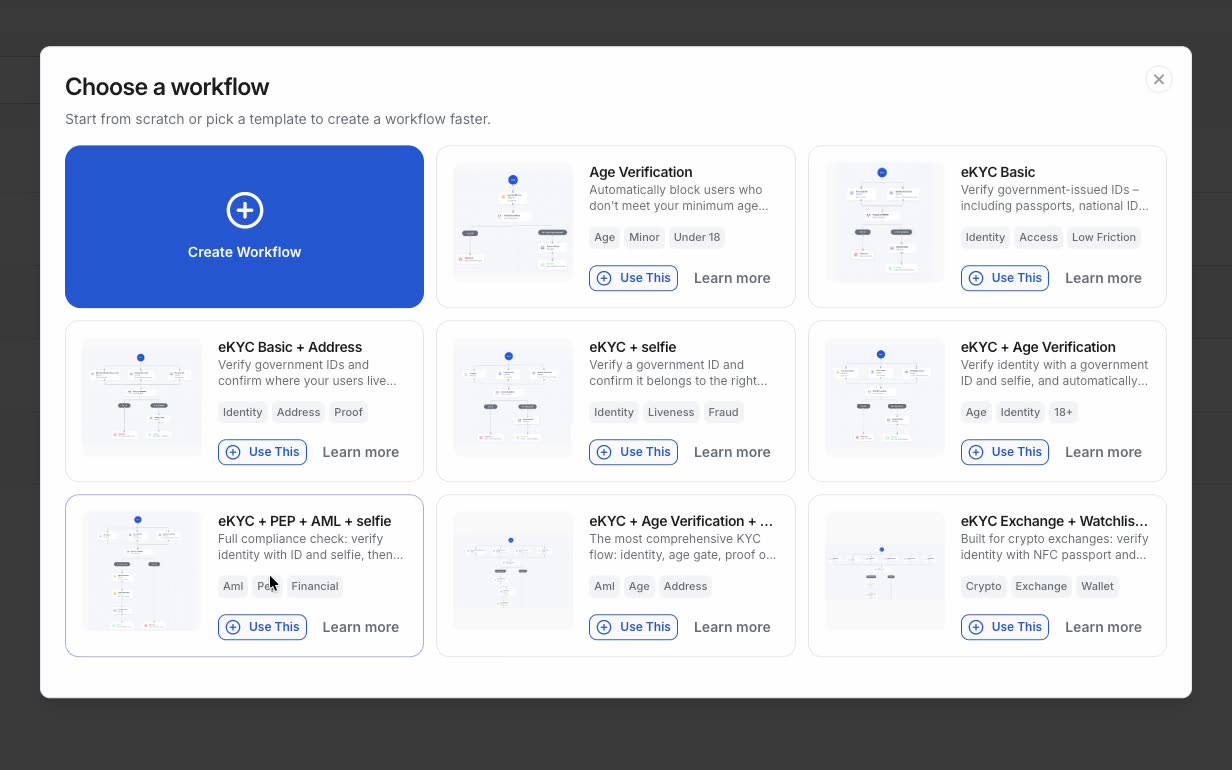
These are not tiers of one product. They are five shapes of the same check. Which one fits depends on whether you are gating a buyer, onboarding a creator, or matching daters.
What each one is for
Japan has JPKI, Korea has its designated identity providers, Singapore has Singpass. Those are the domestic rails, and ShareRing does not claim to replace any of them. What ShareRing covers is the part they were never built for.
Where ShareRing fits
None of the following is a mandate ShareRing sits inside, and none of it names us. It is the direction the rules have already moved in the markets these platforms sell to.
What has changed
Two different people. Two different checks.
A viewer proves they are 18 and stays a stranger.
A creator is getting paid, so you need to know exactly who they are.
Same product, proportionate to the job. The creator verifies once, and the credential they keep means the next platform does not start from a blank upload.
age_verification
Over 18, before an account can earn.
identity_document
Government ID, read and validated. 180+ countries.
liveness_check
A motion check that binds the live person to the document, so the account holder and the person on camera are the same.
personal_info
Legal name, to match against the payout account.
if_else
Identity, liveness and payout name all agree.
delivery_http
A signed result to your platform. The documents stay with the creator.
end_ok
A verified creator, reusable at the next platform. You hold the result, not the documents.
The document read and the liveness check are the billable steps. They run once per person, not once per platform.
Longer pieces from The Privacy Stack on the regulation, the cost and the mechanics behind this page.
Let me tell you what most age verification on the internet actually is right now. You open your phone. A camera points…
22 Oct 2025This is one of the most exciting times in ShareRing’s history. After years of investment into research, development,…
15 Apr 2025Bits of Blocks on ShareRing.
Tell us which of the three jobs you are solving. We will show you the check that fits.