Simplifying IT
for a complex world.
Platform partnerships
- AWS
- Google Cloud
- Microsoft
- Salesforce
One verified identity, ready for both the Thai eVisa and the TDAC. Verify once before you fly, reuse it on arrival.
This is a reference implementation designed to illustrate a typical rollout and control set. It is not a report of a completed customer deployment.
Sorted before you fly. Cleared when you land.
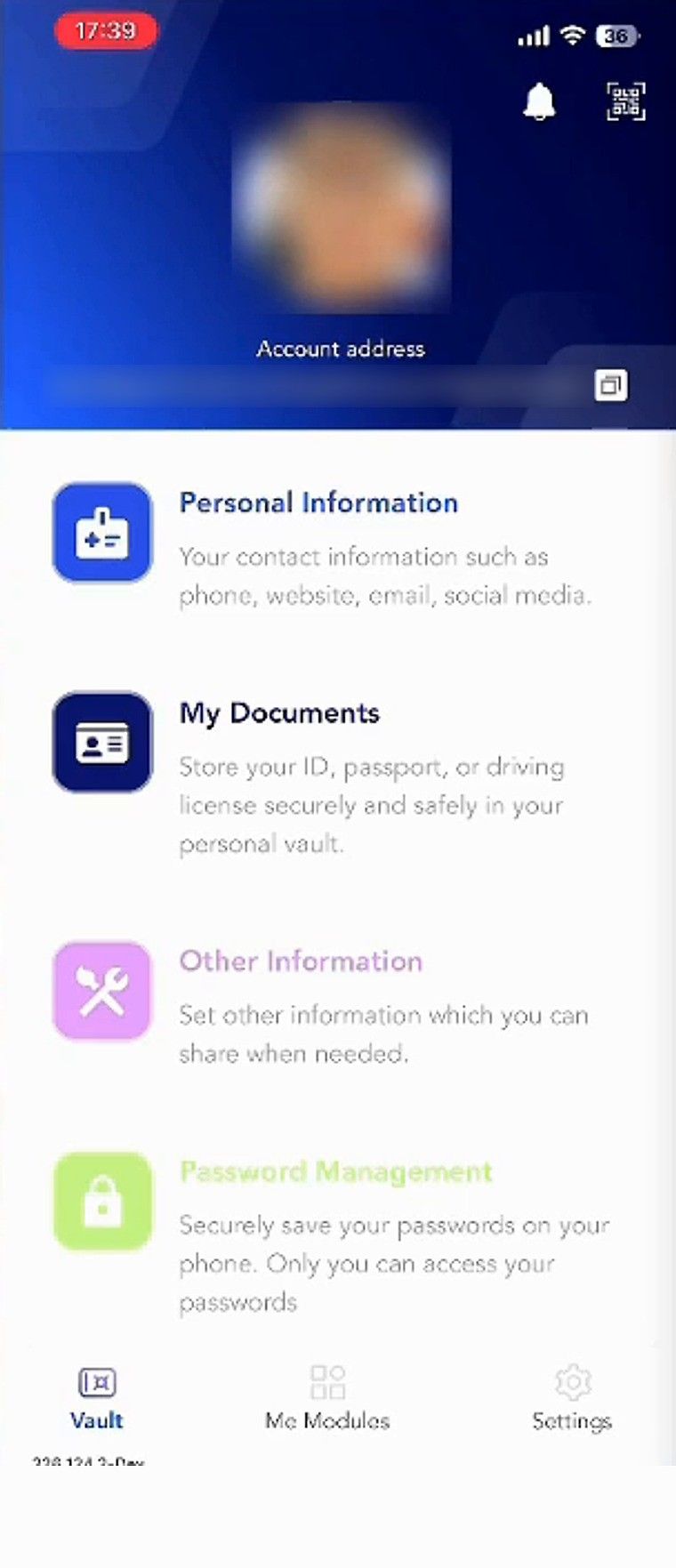
 ShareRing Me
No document this time. It was proven on the first run and it is still proven, so there is nothing left to check.
 ShareRing Link
A verified traveller, often before they have arrived.
The eVisa and the TDAC are separate systems on separate clocks, and missing either one stops you at the border. ShareRing is built to serve both from a single verified identity, so the traveller proves who they are once rather than twice.
Official entry approval, required before you fly and determined by your passport nationality. Completed during trip planning.
Mandatory for non-Thai travellers, visa or not. It replaces the paper TM6 arrival card and opens three days before the arrival date, to be submitted before landing.
The identity behind the eVisa application is verified once and reused, rather than re-uploaded to each system in turn.
The TDAC can arrive prefilled from a credential the traveller already holds, so arrival processing becomes a scan rather than a form.
A traveller verifies identity once in ShareRing Me. The eVisa application and the arrival card can both draw on that same verified credential, so the passport is scanned once rather than uploaded twice to two agencies that cannot see each other.
What the traveller does
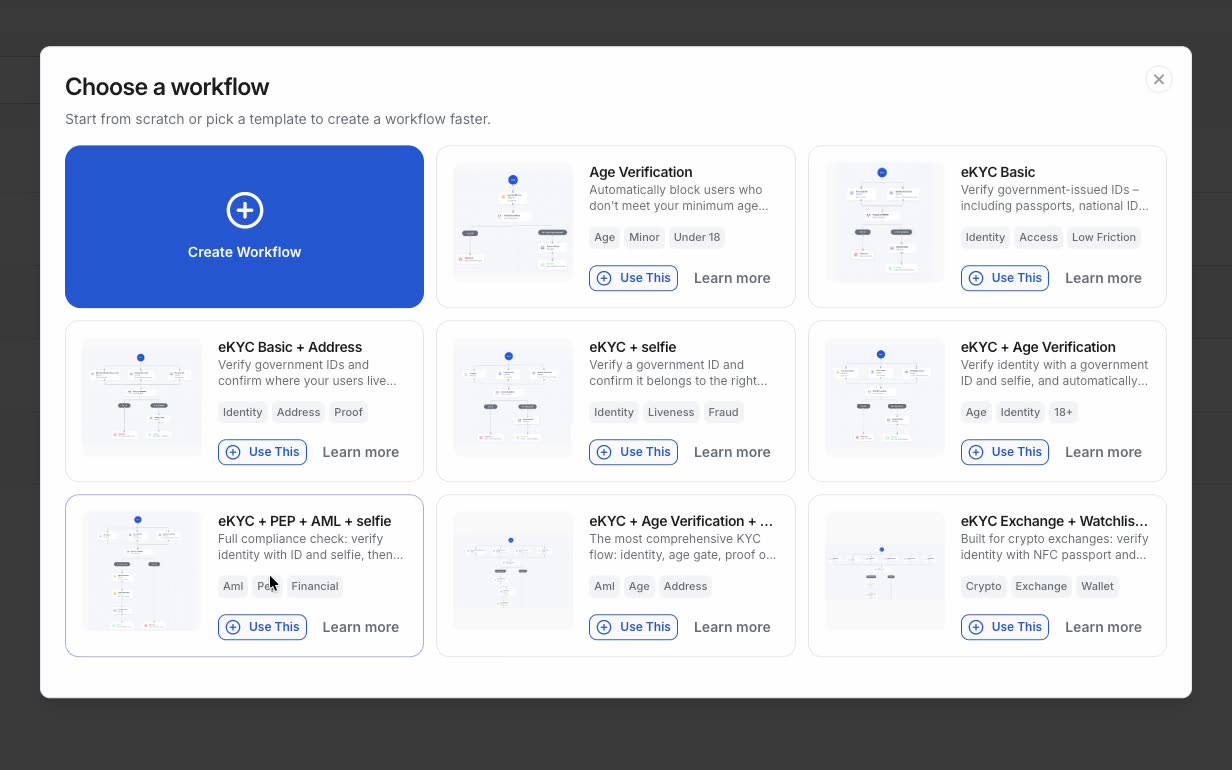
The same credential layer is live inside a national postal service.
The eVisa and the arrival card are separate systems on separate clocks. The traveller proves themselves once and the same credential can answer both, which is the whole reason this is one workflow rather than two.
identity_document
Passport, NFC read at home rather than at a counter.
personal_info
The fields both the eVisa and the TDAC ask for.
if_else
Passport valid and the details complete.
delivery_http
To the eVisa system before departure.
delivery_http
To the arrival card, in the three days before landing.
end_ok
A QR code at the border instead of a folder.
One capture, two deliveries. The passport is read once and never uploaded twice.
Longer pieces from The Privacy Stack on the regulation, the cost and the mechanics behind this page.
Most countries are still arguing about what a digital ID should look like. Thailand has stopped arguing. ETDA's Phase 2…
12 May 2026Thailand has 90,000 work permit applications a day and three government agencies that cannot reconcile a person’s name.…
28 Jan 2026Digital identity adoption in Asia is often misunderstood as “early” or “experimental.” In reality, the opposite is…
Talk to us about carrying travellers from application to arrival on a single verified credential.